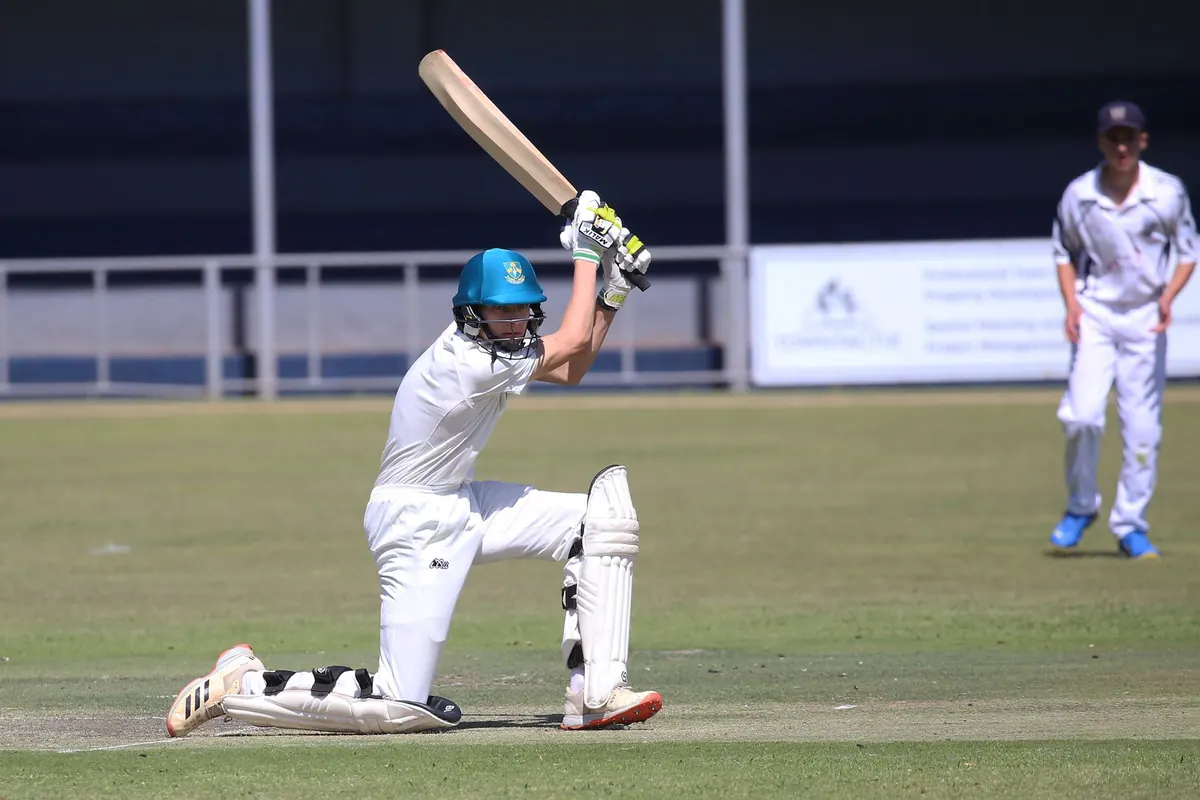
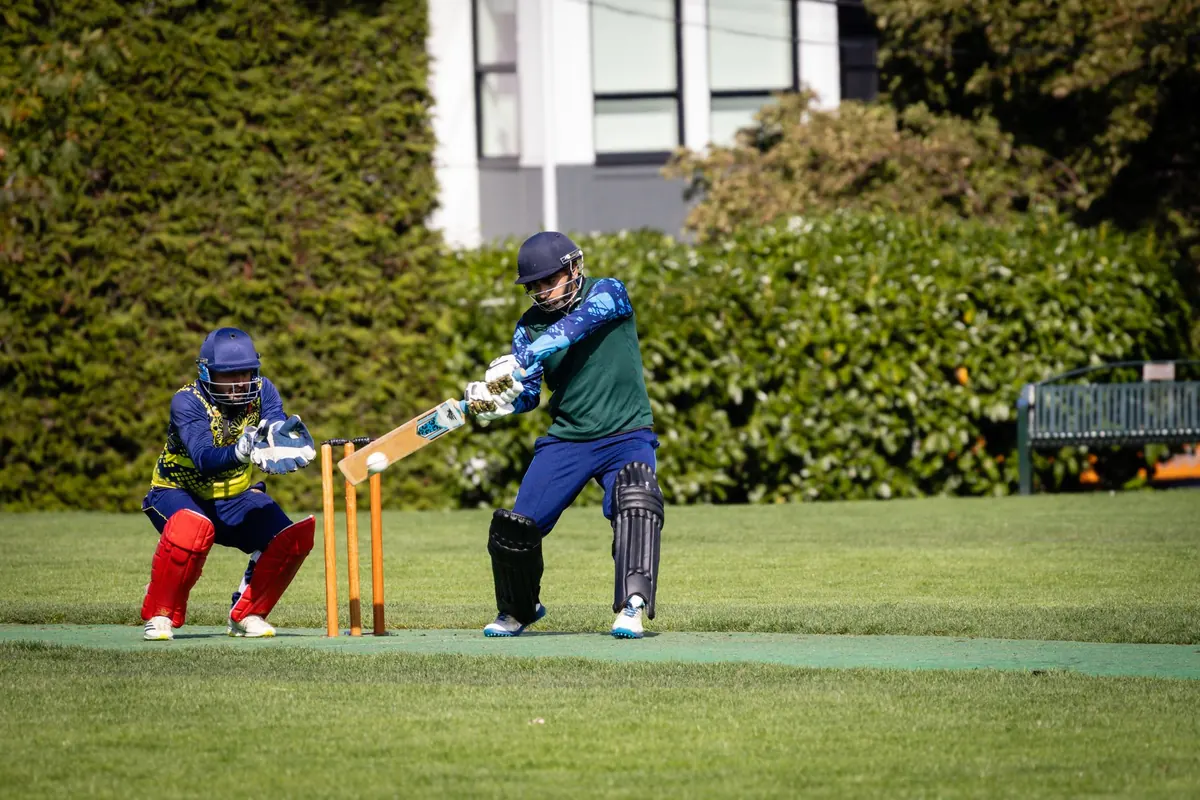
Rising Stars in Women's Cricket: Five Players to Watch This Season
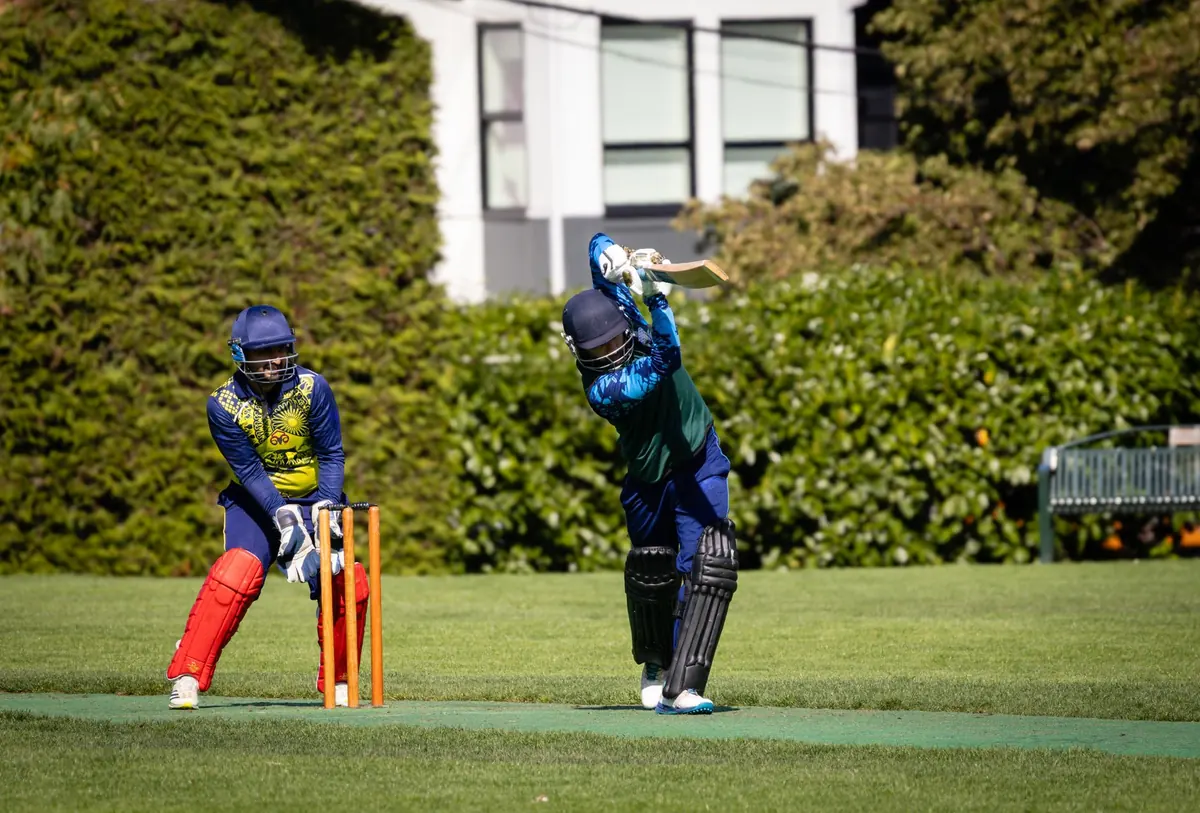
Women's cricket has never had a deeper bench. Franchise leagues have multiplied, the Under-19 World Cup handed teenagers a proper stage, and bilateral series that once disappeared into an untelevised void now arrive with full coverage. The result is that players who might have spent five seasons on the fringes are turning up almost ready-made.
That makes it easy to miss someone. The five players below are not here because of a viral clip or a highlight reel. Each is worth watching for a describable reason — a trigger movement, a boundary option, an over that changes the shape of a match. None of them is the finished article. All of them are interesting.
Phoebe Litchfield: Australia's Left-Handed Improviser
Australia has produced plenty of left-handed top-order batters who score straight and hard. Litchfield is not that. Her hands sit low, the bat comes down late, and she looks happiest when the ball is doing something — a hint of swing, a bit of grip, a fielder moved finer.
That is why she is so good square of the wicket on both sides. Late cuts, dabs, the scoop played over her own shoulder: the shots are unusual for someone batting in the first ten overs, and they occasionally make her look hurried when the ball is new and skidding. When it works, the field she forces captains to set looks nothing like the one they planned.
What to watch: her first ten balls against the new ball. If she survives the early movement without losing shape, she usually takes the game away in a hurry.
Shreyanka Patil: The Off-Spinner Who Bats
India's spin resources are deep enough that a young off-spinner needs something extra to get picked, and Patil's extra is her batting. She bowls at the stumps, changes pace rather than ripping the ball square, and fields with the kind of energy that lifts a side in the middle of a long innings.
That combination matters tactically. A captain can use her through the middle overs without worrying that the batting will fall apart if a wicket goes down, and she can be pushed up the order in a chase if the required rate demands it. Players like this are how teams stop being predictable.
Her growth area is bowling to left-handers, where an off-spinner's stock ball turns into the pads. Watch how she adjusts her line and whether she brings in a flatter, quicker delivery when a partnership is building.
Alice Capsey: Power at the Top of the Order
Capsey is the least mysterious of the five, and that is not a criticism. She takes the game on from the first over, hits through and over the leg side, and bowls useful off-spin when the conditions suit. What makes her worth tracking is how she solves the problem every young power-hitter faces eventually: what happens when the ball is not quite there to hit?
Bowlers have started pushing the ball wider and taking the pace off. Her answer so far has been to use the depth of the crease, delay the shot and take the singles rather than forcing the boundary. Whether that discipline holds through a full 50-over innings is the real test of her season.
Orla Prendergast: Ireland's All-Round Engine
Ireland have been building quietly for a few years, and Prendergast sits at the centre of it. She opens the batting and bowls seam-up, which means she is often involved in the two most important phases of a match: the powerplay with the bat and the middle overs with the ball.
Her batting is organised rather than explosive. She works the ball into gaps, runs hard between the wickets, and saves her big shots for when the field is up. With the ball, she relies on a repeatable action and a hint of movement rather than raw pace, which tends to mean she improves steadily rather than arriving all at once.
For anyone learning the game, she is the most instructive player on this list. Watch how she sets up an over with her first two deliveries, and how often she bowls to a fielder she has just moved.
Marufa Akter: Bangladesh's New-Ball Spark
Bangladesh have been searching for a seamer who can take the new ball and genuinely trouble top-order batters. Akter does that. She runs in hard, hits the pitch rather than floating it up, and clearly enjoys the contest — a trait that matters in a side that often has to fight for every run.
Her challenge is control. Young seamers who attack the stumps can leak boundaries through the leg side when the line drifts, and her economy in the middle overs is the number to keep an eye on. If she can hold a length when there is no movement, she becomes a genuine four-over option in T20 cricket and a first-change bowler in the longer format.
How to Actually Watch an Emerging Player
Following young players properly takes a little discipline. Highlights flatter everyone; the interesting information sits in the quiet overs. A short routine:
- Watch the field, not just the ball. The field a captain sets tells you what they fear. If a slip and a short leg appear for a young batter, that is respect.
- Sit through a full innings. Ten overs shows you a player's shots. Forty overs shows you their judgement.
- Track the first ten balls and the last five overs. Those are the two moments where young players either hold their nerve or give it away.
- Follow them across formats. A T20 cameo is fun; a 50-over innings with a required run rate climbing is a different exam.
- Write one line after each match. Not a score. A note about a decision — an over they bowled, a shot they chose, a field they read.
A Practical Way to Start This Season
Pick two players from this list rather than five. Put their fixtures in your calendar, and commit to watching one full match for each of them per month. Two focused watches beat ten background ones.
Judge them over a run of games, not a single innings, and expect the bad days to be part of the story. The point of following emerging talent is not to be first to the bandwagon. It is to see the moment a promising player becomes a reliable one — and that usually happens quietly, in the twelfth over of an ordinary match, with nobody watching except the people who bothered to show up.